On the trails of Mussa Khan. From Afghanistan to Rome Ostiense
2011-03-13
Mussa Khan is muhajır , a refugee. He is one of those many Afghans who each year leave their family to travel to reach Europe to seek asylum. Mussa Khan is a young man but following his journey, we enter a whole world of stories, hope and people.
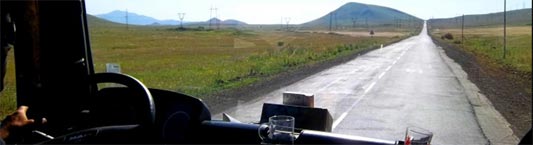
To carry out this reportage, published in serial form, the author has travelled for two months on the migration routes through Turkey, Greece and Italy. He visited twenty different associations, interviewed police officers, truck drivers, ship crews. He met smugglers, counterfeiters, wheelers and middle-men. But above all, he shared with the Muhajirin the long road paved with dreams, expectations, disappointments that leads to Europe.
In 2010, this reportage has won the EU Journalist Award “Together against discrimination”.
The author
 Paolo Martino is a 27-year-old blogger and journalist. Graduated in International Relations, Paolo Martino lived for long time in the Middle East, where he met everyday’s dreams and disappointments of refugees. After collaborating with the United Nations High Commissioner for Refugees he developed an interest in the specific issue of Afghan refugees. His experience as a blogger starts during the 2006 conflict between Israel and Hezbollah. He documents his journeys in the region through photoessays and videos. In 2007 he published on Osservatorio Balcani e Caucaso a photo essay from Kosovo, during a bicycle trip. The “Mussa Khan” project started after sharing with Afghan and Iranian muhajirin the sidewalk of the Rome Ostiense station. And from having heard and shared the stories of Asif, Mortazavi, Reza and Abbas.
He currently collaborates with the Osservatorio dei Balcani e Caucaso.
http://mussakhaneng.wordpress.com/
To carry out this reportage, published in serial form, the author has travelled for two months on the migration routes through Turkey, Greece and Italy. He visited twenty different associations, interviewed police officers, truck drivers, ship crews. He met smugglers, counterfeiters, wheelers and middle-men. But above all, he shared with the Muhajirin the long road paved with dreams, expectations, disappointments that leads to Europe.
In 2010, this reportage has won the EU Journalist Award “Together against discrimination”.
The author
Paolo Martino is a 27-year-old blogger and journalist. Graduated in International Relations, Paolo Martino lived for long time in the Middle East, where he met everyday’s dreams and disappointments of refugees. After collaborating with the United Nations High Commissioner for Refugees he developed an interest in the specific issue of Afghan refugees. His experience as a blogger starts during the 2006 conflict between Israel and Hezbollah. He documents his journeys in the region through photoessays and videos. In 2007 he published on Osservatorio Balcani e Caucaso a photo essay from Kosovo, during a bicycle trip. The “Mussa Khan” project started after sharing with Afghan and Iranian muhajirin the sidewalk of the Rome Ostiense station. And from having heard and shared the stories of Asif, Mortazavi, Reza and Abbas. He currently collaborates with the Osservatorio dei Balcani e Caucaso.
http://mussakhaneng.wordpress.com/
Lire aussi
Routes, trafics et nouvelles alliances criminelles en Méditerranée
Dans les eaux de nos mers prospèrent de florissantes activités illégales : du narcotrafic à la contrebande d’armes et de pétrole, de l’élimination irrégulière de déchets toxiques à la traite d’êtres humains. Mettant à profit de multiples fragilités géopolitiques de la région et la complicité de certains gouvernements, des mafias de différentes nationalités se moquent des frontières existantes et en créent de nouvelles, redessinant la géographie méditerranéenne avec des accords transnationaux imprévisibles.
2026-03-11
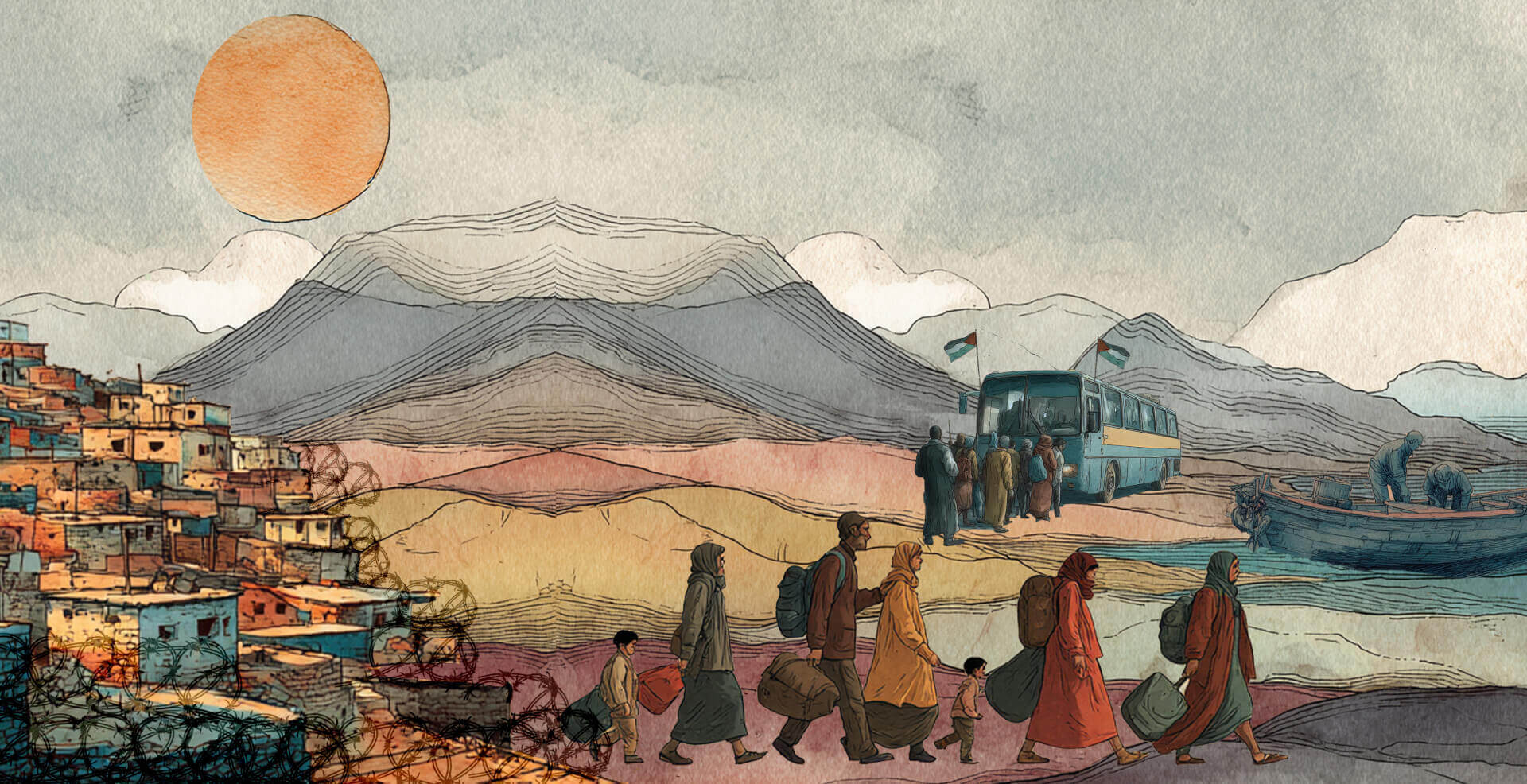
DOSSIER. Frontières et circulations en évolution dans le monde arabe
Comment s’interroger sur le rôle des frontières dans la construction des identités dans le monde arabe ? Comment une région qui était ouverte à la circulation a-t-elle été reconfigurée et avec quels impacts ? Quels types de liens persistent d’un côté ou de l’autre des remparts ? Autant de questions que le Réseau des médias indépendants sur le monde arabe va tenter d’approcher avec différents angles dans ce nouveau dossier d’articles consacré à la thématique des frontières.
2026-03-09
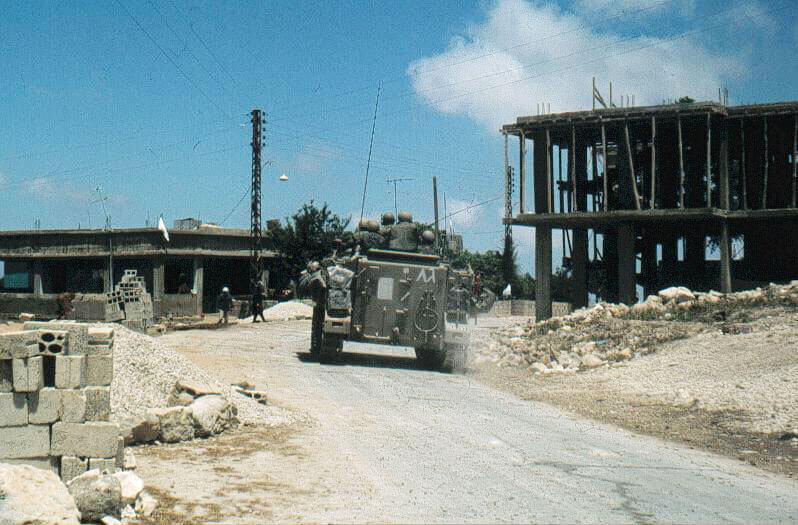
Liban. La guerre sans cesse, l’angoisse toujours recommencée
Depuis une semaine, l’aviation israélienne bombarde massivement le Sud-Liban, y compris la ville côtière de Tyr, la Bekaa aux alentours de Baalbek, et, plus encore, Dahiyeh, la banlieue Sud de Beyrouth. A ce stade, on dénombre plus de 400 personnes tuées et plus de 1500 blessées.
2026-03-09