Paolo Martino
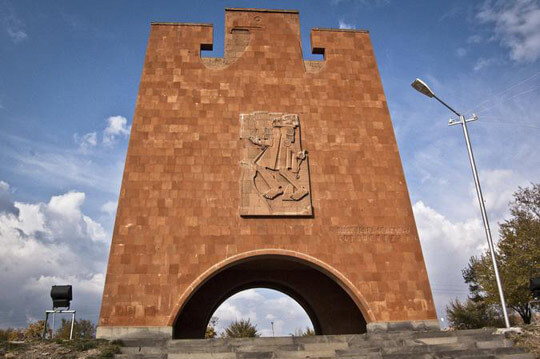
The portrait and the hawk
The meeting with Vartuhi and with the fate that divided her from her sister in 1946. She lives in Musa Dagh, in Armenia, where a huge hawk reminds travellers of the Armenian fighters who in 1915 opposed the Ottoman troops. The fifth episode of the story “From the Caucasus to Beirut”.
2012-10-18
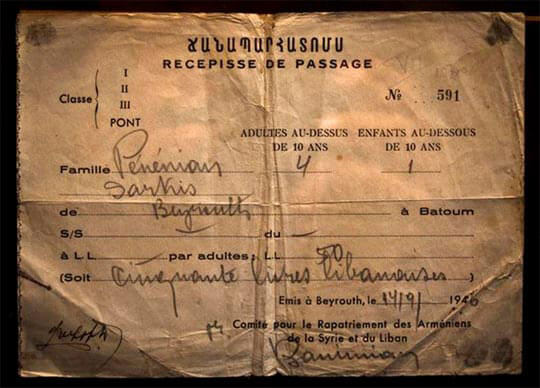
On board the Pobeda
Vartuhi left Beirut in 1946, to reach Soviet Armenia aboard a ship called "Pobeda". In Stalin's land, however, the survivors of the genocide saw the dream of a homeland turn into a nightmare. Travelling to the Caucasus on the paths of migrations. Fourth episode of the story "From the Caucasus to Beirut".
2012-10-03
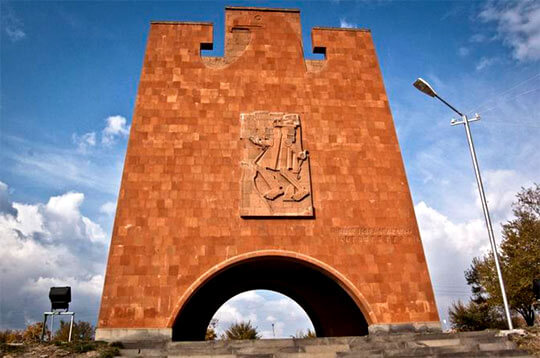
Il ritratto e il rapace
L'incontro con Vartuhi e con il destino che la separò dalla sorella nel 1946. Vive a Musa Dagh, in Armenia, dove un enorme falco appollaiato ricorda i combattenti armeni che nel 1915 si opposero alle truppe ottomane. Quinta tappa del reportage "Dal Caucaso a Beirut".
2012-09-26
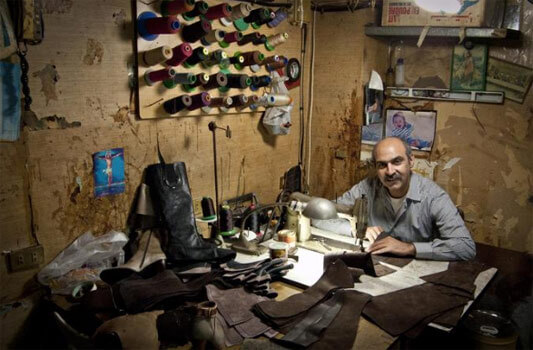
Nostalgia before memories
Professor Adakessian’s slow pacing up and down the halls of the Armenian University of Haigazian, Rafi and his shoe factory in centre city Beirut, the present that shows up again in the old pictures of the Pobeda, the Russian ship that carried thousands of Armenians from the Lebanon to Soviet Armenia. The third episode of the story “From the Caucasus to Beirut”.
2012-09-19
Sarop’s armed struggle
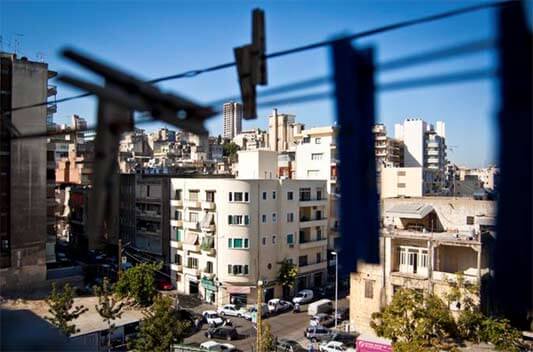
Arafat’s bodyguard, then on the front line in the Armenian armed struggle and for 10 years a prisoner in a Syrian jail. “When I came out, everything had changed. The USSR no longer existed”. The meeting with Sarop, in Beirut’s Armenian quarter. The second episode of the report “From the Caucasus to Beirut”
2012-09-04
A bordo della Pobeda
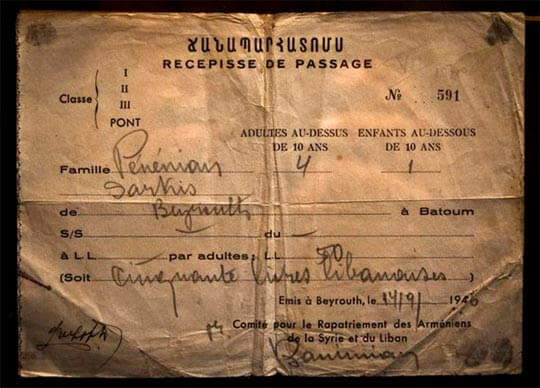
Vartuhi è partita da Beirut nel 1946, per raggiungere l'Armenia sovietica a bordo della nave "Pobeda". Nella terra di Stalin, però, i sopravvissuti al genocidio hanno visto il sogno di una patria trasformarsi in incubo. In viaggio verso il Caucaso sui sentieri delle migrazioni, quarta tappa del reportage "Dal Caucaso a Beirut".
2012-08-29
La nostalgia prima del ricordo
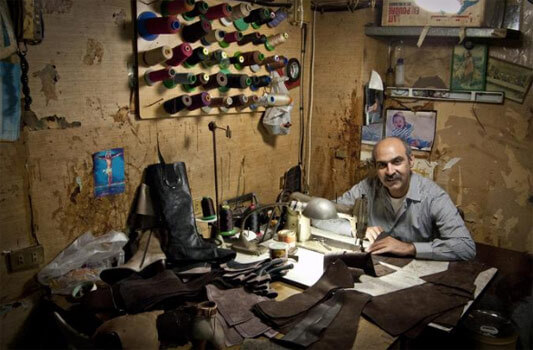
I passi lenti del professor Adakessian nei corridoi dell'università armena di Haigazian, Rafi e la sua fabbrica di scarpe nel centro di Beirut, il presente che si rifà vivo nelle foto d'epoca della Pobeda, nave russa che trasferì migliaia di armeni libanesi nell'Armenia sovietica. La terza puntata del reportage "Dal Caucaso a Beirut".
2012-08-06
La lotta armata di Sarop
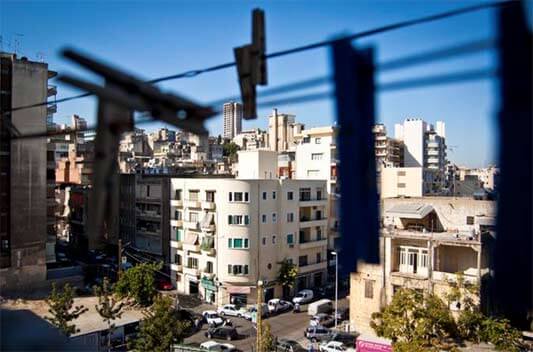
Guardia del corpo di Arafat, poi protagonista della lotta armata armena e infine per dieci anni in un carcere siriano. "Quando sono uscito tutto era cambiato, l'Urss non esisteva più". L'incontro, nel quartiere armeno di Beirut, con Sarop. La seconda puntata del reportage "Dal Caucaso a Beirut".
2012-07-17
When roads do not end in Rome
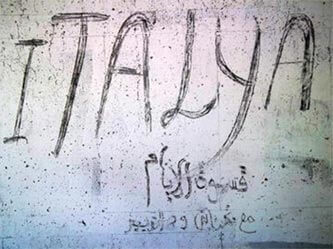
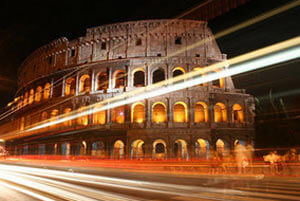
14th and last post. They say all roads lead to Rome. Even that of Mussa Khan and the thousands of Afghanmuhajirins for whom Italy is just a stop in the restless and tormented search for a better life. Among the building sites along the Ostiense Station stops the story of a journey that has no end
2012-02-16
I ragazzi delle reti
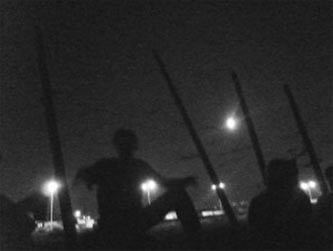
Patrasso. Insieme a migranti di mezzo mondo, anche i muhajirin aspettano il momento buono per scavalcare le reti che delimitano il porto, in un surreale e pericoloso gioco a rimpiattino con la polizia. La posta, però, è alta: una nave verso l’Italia e il sogno chiamato Europa
2012-02-09
L’altro lato dell’acropoli
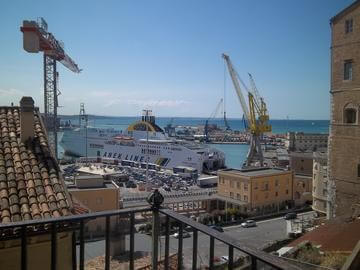
Atene, luogo di nascita della democrazia, cela un lato oscuro e doloroso. Sono le strade e le piazze in cui i muhajirin vivono nell’illegalità, in attesa di un futuro che non arriva. Un buco nero che inghiotte vite e destini e in cui Mussa Khan sembra essersi perduto
2011-12-28