Med Reflection Group: Interviews
2007-10-02
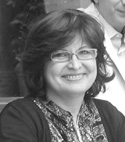 Hanan Kassab Hassan
|
Only intellectuals and artists have managed to escape the clash of civilizations It seems as though she has many lives condensed into one: evenings, she is riveted to the computer; days, she jumps from one meeting to another, her face ever smiling and gracious. Hanan Kassab Hassan has taught for a long time at the University of Damascus. We are indebted to this unparalleled translator for numerous screenplays and theatrical adaptations. For the last few months, she has been the director of the High Institute of Dramatic Arts in Damascus and secretary general of the festival Damascus: Cultural Capital of the Arab World in 2008. (Nathalie Galesne) |
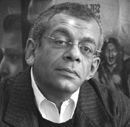 |
I make films to understand me better Interview with Yousry Nasrallah, Director. Does accepting foreign funding translate into constraints upon the production? Working with European funding increases mutual understanding between Arabs and the West? Egyptian director Youssry Nasrallah, internationally acclaimed after his film “The gate of the sun” gives his contribution to the questioning of the “Mediterranean Reflection group” implemented by the ECF. (Waleed Marzouk) |
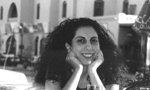 |
With SEMAT, I do what I want Interview with Hala Galal, Egyptian Director Hala Galal has directed several documentary films which have marked the Egyptian audiovisual landscape. In 2002, she managed to create, with a group of professionals, an Egyptian film production company, SEMAT, whose objectives are to produce independent films and develop a new parallel current to dominating mainstream Egyptian cinema. (Daikha Dridi) |
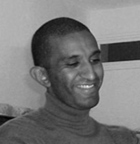 |
Publishing books I love Interview with Sofiane Hadjaj, co-director of Barzakh Editions When Sofiane Hadjaj decided to launch his own publication house in Algeria, he was, "a little bit naive" as he puts it. How did he manage to publish the books he likes? How does he assess the cooperation with European institutions or Foundations? His answers are part of the larger framework of the “Mediterranean Reflection group” implemented by the ECF and co-published by Babelmed. (Yassin Temlali) |
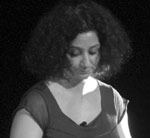 |
We can now talk about an “alternative” Arab culture that is in the process of taking shape Interview with Lina Saneh This young woman, who with her partner Rabih Mroué, was forced into debt to put on one amateurish and modestly produced play in the early 1990s, now takes her work to Tokyo, Moscow, Vienna and other international capitals, aided, like others, by the influx of foreign funding for Lebanese artists in recent years. It was this foreign connection that formed the focus of the interview. (Youssef Bazzi) |
 |
A short history of the relationship between Lebanese arts production and foreign funding Today, there are some 12,000 civil society organizations and associations in Lebanon that receive funding from an almost limitless number of sources. If you can believe it, an anonymous American “source” pays a monthly wage to every Lebanese rap singer. Is their any point in questioning the benefits of the “foundation”? (Youssef Bazzi) |
Lire aussi
Routes, trafics et nouvelles alliances criminelles en Méditerranée
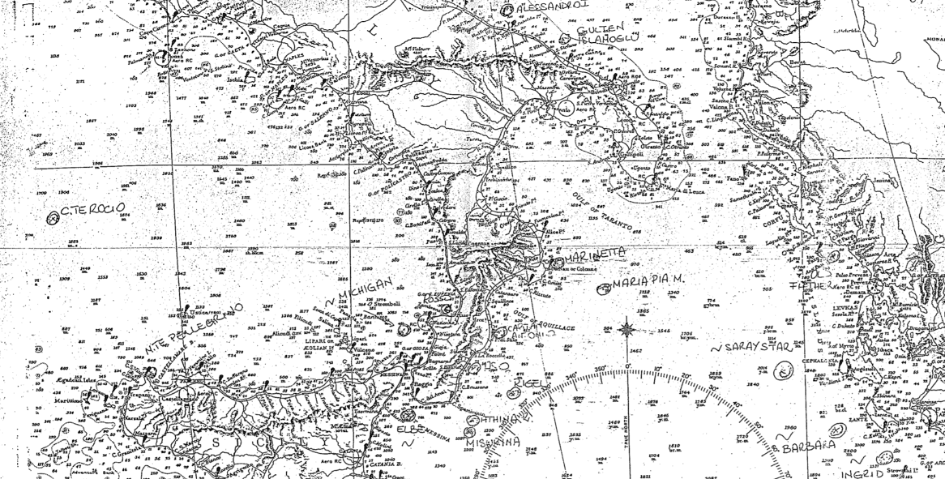
Dans les eaux de nos mers prospèrent de florissantes activités illégales : du narcotrafic à la contrebande d’armes et de pétrole, de l’élimination irrégulière de déchets toxiques à la traite d’êtres humains. Mettant à profit de multiples fragilités géopolitiques de la région et la complicité de certains gouvernements, des mafias de différentes nationalités se moquent des frontières existantes et en créent de nouvelles, redessinant la géographie méditerranéenne avec des accords transnationaux imprévisibles.
2026-03-11
DOSSIER. Frontières et circulations en évolution dans le monde arabe
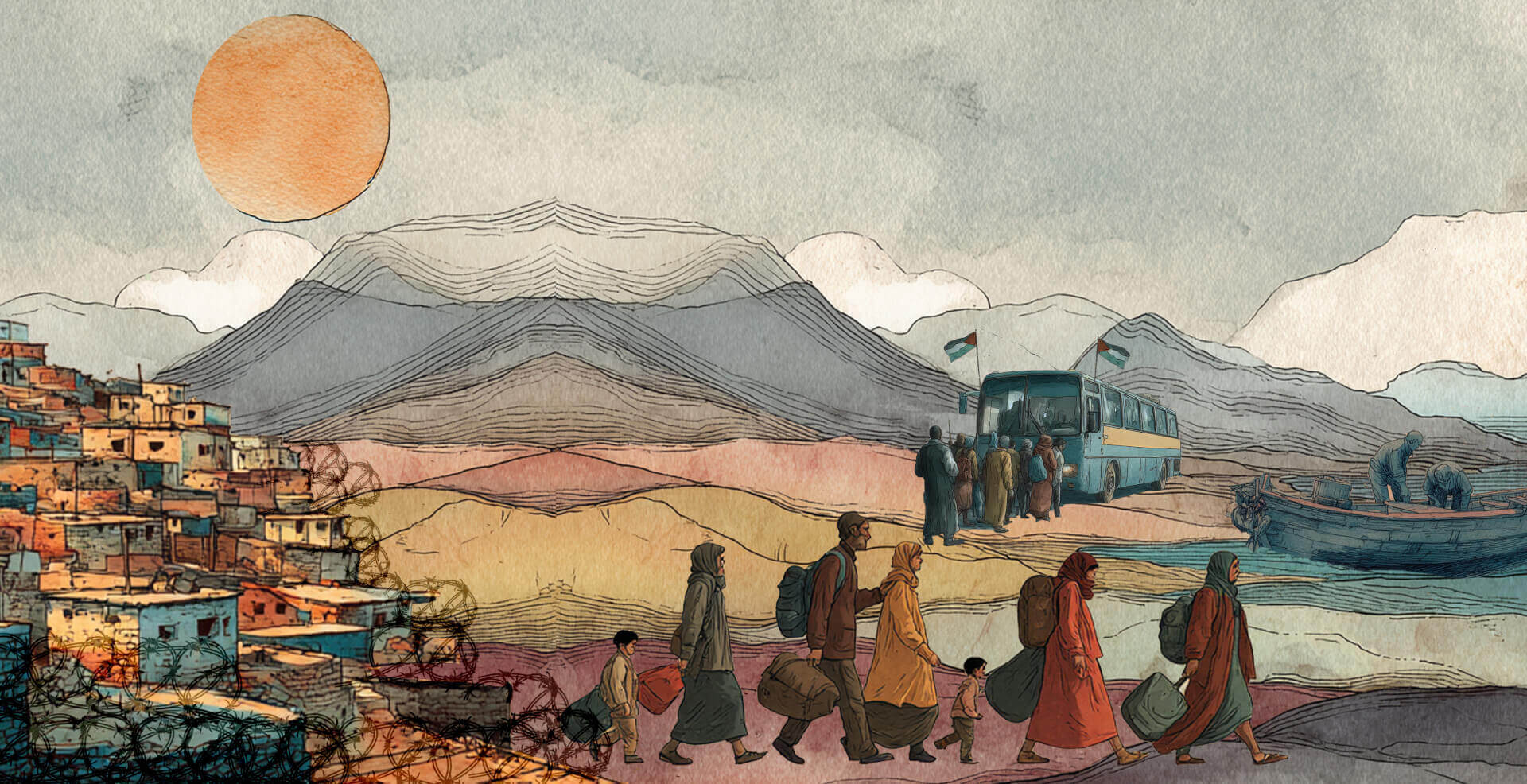
Comment s’interroger sur le rôle des frontières dans la construction des identités dans le monde arabe ? Comment une région qui était ouverte à la circulation a-t-elle été reconfigurée et avec quels impacts ? Quels types de liens persistent d’un côté ou de l’autre des remparts ? Autant de questions que le Réseau des médias indépendants sur le monde arabe va tenter d’approcher avec différents angles dans ce nouveau dossier d’articles consacré à la thématique des frontières.
2026-03-09
Liban. La guerre sans cesse, l’angoisse toujours recommencée
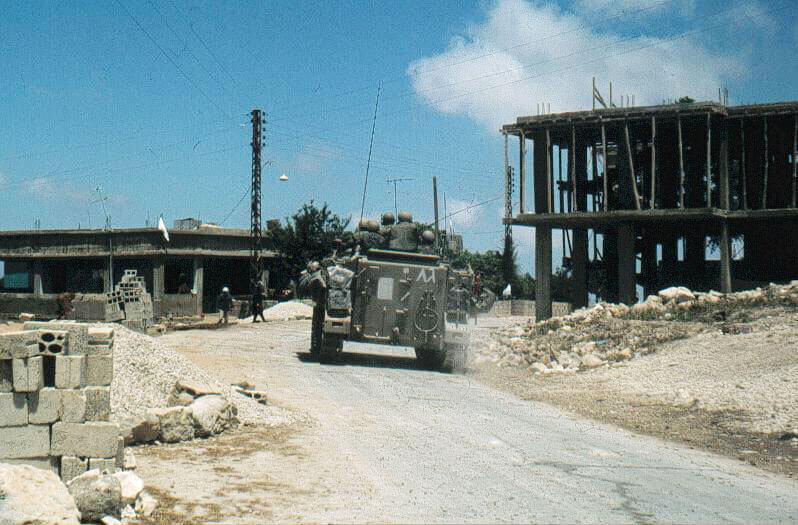
Depuis une semaine, l’aviation israélienne bombarde massivement le Sud-Liban, y compris la ville côtière de Tyr, la Bekaa aux alentours de Baalbek, et, plus encore, Dahiyeh, la banlieue Sud de Beyrouth. A ce stade, on dénombre plus de 400 personnes tuées et plus de 1500 blessées.
2026-03-09