Youth - Migrations
Italy
International meeting on youth mobility in the Mediterranean, between challenges and new proposals
2025-10-09
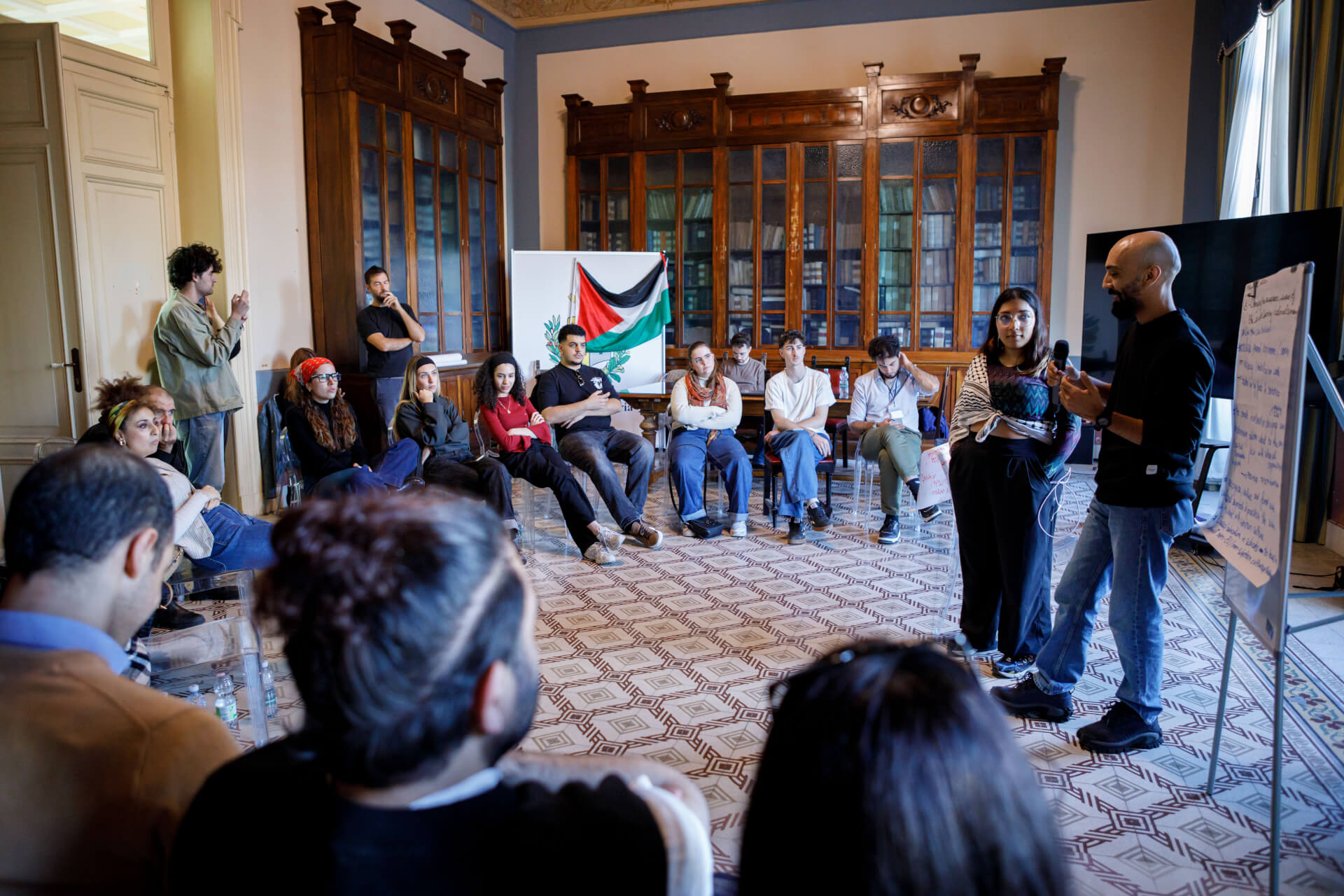
From 1 to 4 October, Reggio Calabria hosted a meeting of MOB In MED! the awareness campaign devoted to youth mobility in the Mediterranean involving 19 activists from the region and several local key figures committed to this issue.
Crédit : Marco Costantino
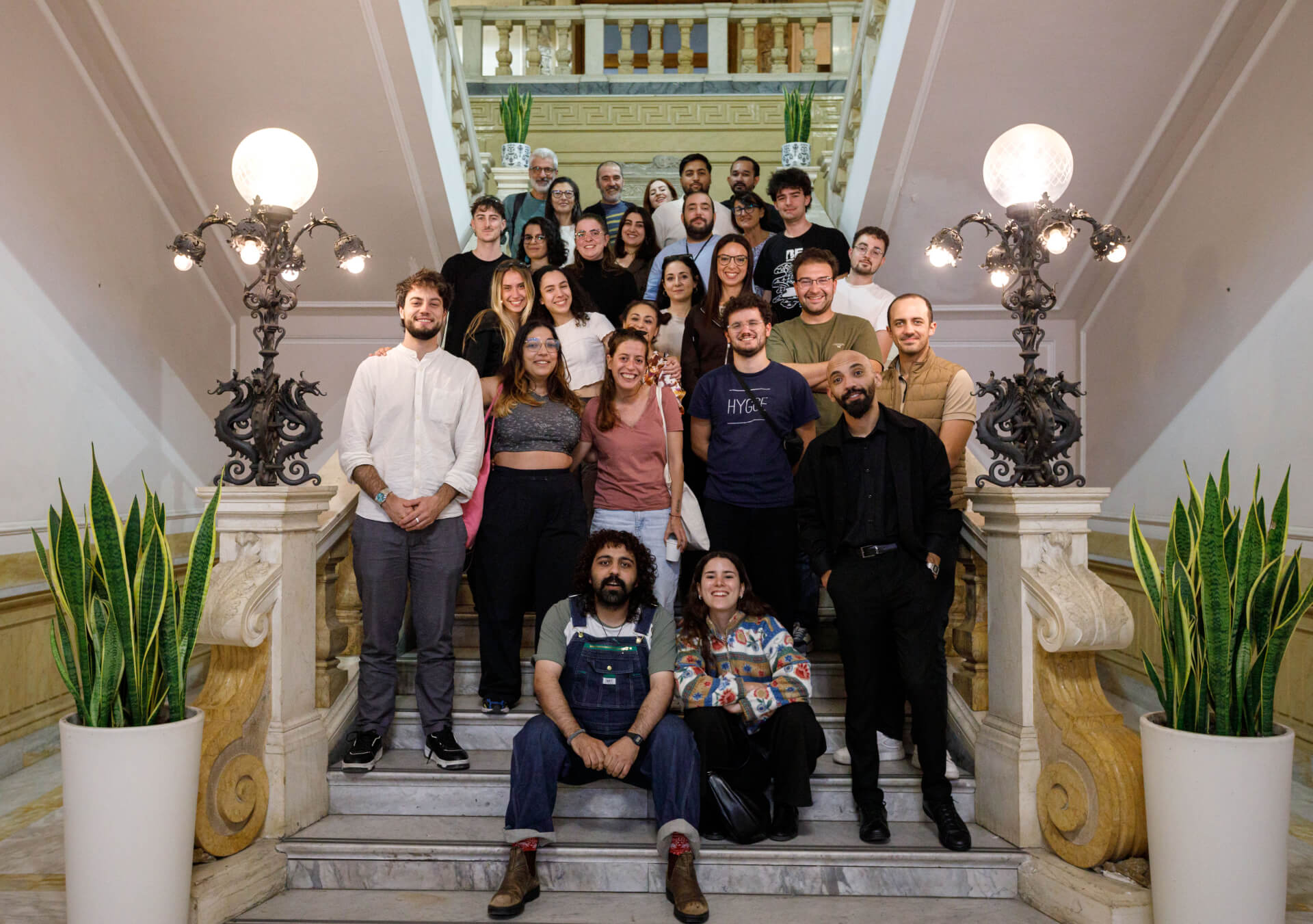
From 1 to 4 October, the Calabrian capital hosted workshops organised by Réseau Euromed France and Jeunesses Med, in collaboration with Mana Chuma Teatro, in the framework of the Mob in Med! youth mobility awareness campaign. The meeting brought together 19 activists from Algeria, Jordan, Lebanon, Libya, Palestine, Tunisia, Italy, France and Spain, with the aim of identifying sustainable and inclusive strategies to address the complex challenges posed by restrictions on free movement in the Euro-Mediterranean macro-region.
Advocacy and exchanges with Institutions
The first day kicked off with an introductory session that allowed the group to meet in person after months of online workshops,
In the afternoon, at the Spazio Open bookshop, the young people presented the campaign to the municipal councillor for education, universities and equal opportunities, Anna Maria Briante, who showed sincere interest in the project and expressed her willingness to acquire new ideas useful to the provincial capital where the urban mobility plan does not always meet the needs of young people living in more peripheral areas and small provincial towns.
The following day, the Spazio Open Book Shop, hosted the encounter with Domenico Marino, Professor of Economic Policy at the Mediterranean University of Reggio Calabria and member of the ‘No Ponte’ movement. Marino highlighted the characteristics and critical issues of the complex engineering project that would connect the cities of Reggio Calabria and Messina. He analysed its feasibility and sustainability, while stressing the impact that such a major infrastructure would have on the territory and local populations. Marino's interdisciplinary approach enabled the group to understand that the project does not meet the real needs of the people, who are effectively excluded from a purely political decision-making process that does not take their needs into account. In both Calabria and Sicily, the road networks are still inadequate, public transport services are inefficient and the railway lines are so underdeveloped that those living in inland areas are condemned to forced isolation.
In some villages, even attending compulsory school can turn into a real obstacle. Students often have to endure exhausting journeys to get to class and face severe limitations in their choice of school, having to settle for the one that is easiest to reach. These constant logistical difficulties contribute to the phenomenon of early school leaving, which is constantly on the rise in Italy, especially in the south. Even the water system is unable to guarantee the population a regular supply of water, due to dilapidated aqueducts that require major maintenance work, which is perpetually postponed.
Some participants noted that even in their own countries, the millions invested by governments rarely reflect the real needs of the people, either because they have little impact on their quality of life or because they remain unpractical and inaccessible.
Finally, the intervention by young people from Reggio Calabria shifted the focus to the growing involvement of the younger generation in local public debate, as demonstrated by the recent protests against the ongoing genocide in Gaza. A new wave of awareness is, in fact, awakening the consciences of citizens, and in many marches, sit-ins and protests, there is a significant presence of young people taking to the streets and making their voices heard so that their region can finally emerge from its chronic immobility. Furthermore, more and more people are returning to live in the South to contribute to its change with new skills and perspectives, after completing their studies elsewhere or taking advantage of the smart working options offered by many companies based in other Italian regions.
Crédit : Marco Costantino
Dal 1 al 4 ottobre il capoluogo calabrese ha ospitato i laboratori organizzati da Réseau Euromed France e Jeunesses Med, in collaborazione con Mana Chuma Teatro, nell’ambito della campagna di sensibilizzazione sulla mobilità giovanile Mob in Med! Il progetto ha coinvolto 19 attiviste e attivisti provenienti da Algeria, Giordania, Libano, Libia, Palestina, Tunisia, Italia, Francia e Spagna, con l’obiettivo di individuare strategie sostenibili e inclusive in grado di affrontare le complesse sfide imposte dalle restrizioni alla libera circolazione nella macro-regione euromediterranea.
Advocacy e dialogo con le istituzioni
La prima giornata è stata aperta con un workshop introduttivo che ha permesso ai partecipanti di conoscersi di persona dopo mesi di lavoro da remoto.
Nel pomeriggio, alla Libreria Spazio Open, i giovani hanno presentato la campagna all’assessora comunale all’Istruzione, all’Università e alle Pari Opportunità Anna Maria Briante, che ha manifestato un chiaro interesse per il progetto esprimendo la volontà di assorbire nuove idee da attuare nel capoluogo. In particolare, Briante ha mostrato sincero interesse per il progetto ed espresso la volontà di acquisire nuove idee utili al capoluogo di provincia, dove il piano di mobilità urbana non sempre soddisfa le esigenze dei giovani che vivono nelle zone più periferiche e nei piccoli centri provinciali.
L’indomani, la Libreria Spazio Open ha ospitato l’incontro con Domenico Marino, docente di Politica economica all’Università Mediterranea di Reggio Calabria e membro del movimento “No Ponte”. Marino ha illustrato caratteristiche e criticità del complesso progetto ingegneristico che dovrebbe collegare le città di Reggio Calabria e Messina, analizzandone fattibilità e sostenibilità e mettendo in luce le conseguenze che un’infrastruttura così imponente e costosa avrebbe sul territorio e sulle popolazioni locali. L’approccio interdisciplinare di Marino ha consentito al gruppo di comprendere che l’opera non corrisponde ai reali bisogni delle persone, di fatto escluse da un processo decisionale prettamente politico che non tiene conto delle loro effettive priorità.
Calabria e Sicilia, infatti, hanno entrambe reti stradali carenti, servizi di trasporto pubblico inefficienti e linee ferroviarie così poco sviluppate da condannare chi abita nelle aree interne a un forzato isolamento. In alcuni paesi persino frequentare la scuola dell’obbligo può trasformarsi in un vero e proprio percorso a ostacoli. Chi studia, infatti, deve spesso affrontare viaggi estenuanti per poter andare a lezione e subisce pesanti limitazioni nella scelta dell’indirizzo orientandosi sull’istituto più raggiungibile. Queste continue difficolà logistiche contribuiscono ad alimentare il fenomeno della dispersione scolastica che in Italia è in costante aumento, soprattutto nel Meridione. Persino il sistema idrico non riesce a garantire alla popolazione un regolare approviggionamento di acqua, per via di acquedotti fatiscenti che necessiterebbero di importanti interventi di manutenzione, eternamente rimandati.
Alcuni partecipanti hanno raccontato che anche nei propri paesi gli investimenti milionari stanziati dai rispettivi governi raramente rispecchiano le reali necessità delle persone, o perché i progetti hanno uno scarso impatto sulla loro qualità della vita o perché di scarso impatto sulla loro qualità della vita o perché restano poco pratici e inaccessibili.
La partecipazione di un nutrito gruppo di giovani reggini ha spostato, infine, l’attenzione sul crescente coinvolgimento delle nuove generazioni nel dibattito pubblico locale, come hanno chiaramente dimostrato le recenti proteste contro il genocidio in corso a Gaza. Una nuova ondata di consapevolezza sta, infatti, risvegliando le coscienze cittadine e in molti cortei, sit in e presidi si registra una significativa presenza di ragazze e ragazzi che scendono in piazza e fanno sentire la propria voce affinché il proprio territorio possa finalmente uscire dalla sua cronica immobilità. Sono sempre più numerosi, inoltre, coloro che tornano a vivere al Sud per contribuire al suo cambiamento con nuove competenze e prospettive, dopo aver terminato gli studi altrove o approfittando della modalità smart working offerta da molte aziende con sede in altre regioni italiane.
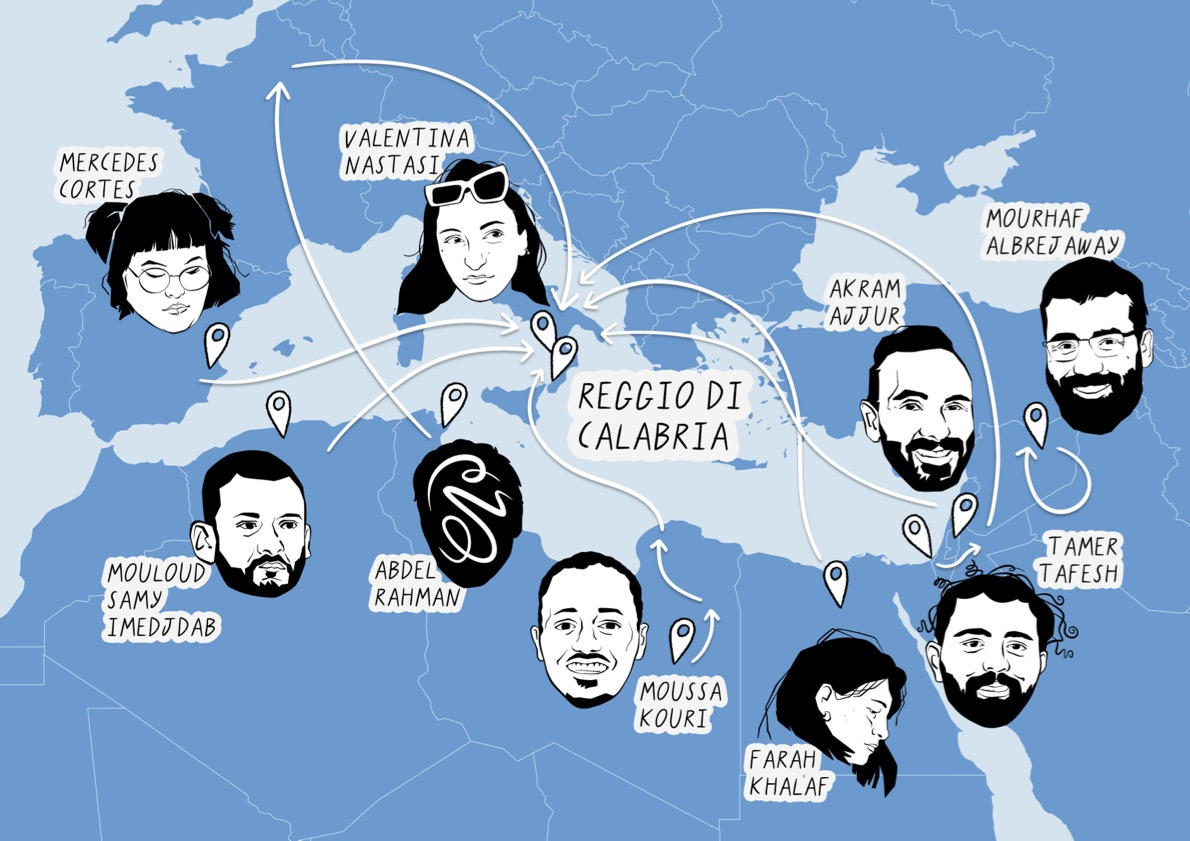
Over the coming months, the working group will integrate the recommendations with the content discussed during these days of intense live debate. Finally, four videos filmed by participants in the Parisian suburb of Seine-Saint-Denis, Calabria, Lebanon and Palestine will be completed with the mentoring of director Felice d'Agostino, along with an illustrated booklet by French-Egyptian artist Tiana Kader on the travel stories of 10 participants of the Med Youth Meeting, organised in Reggio Calabria by the same associations in 2024.
The publication, in French and English, aims to reflect on the difficulties and challenges they encountered in reaching southern Italy, a symbolic as well as geographical location where chronic infrastructure shortages and scarce job opportunities still drive thousands of young people to emigrate, as in every other “South” of the world.
Translated from italian by Elizabeth Grech
Read more